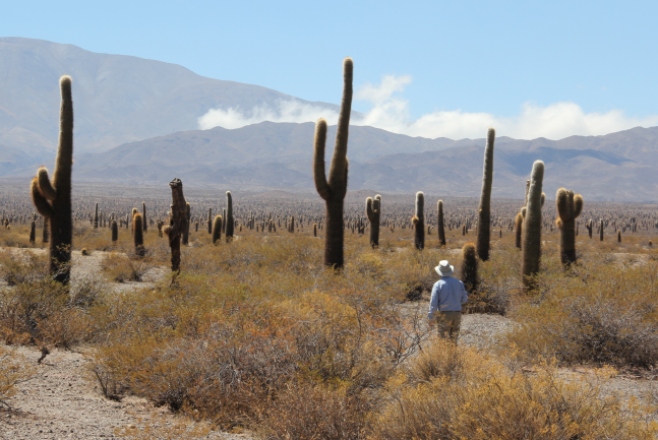
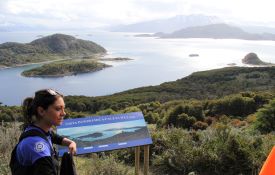
Sultry Tango shows. Fine wines and cuts of steak. Rugged mountains. Arctic glaciers. European flair. These are just a few icons of Argentina.
Entering through Buenos Aires, take a few days to explore the capital’s lively neighborhoods and urban sophistication. Outside the city, Argentina’s celebrated pampas (extensive grasslands) are the birthplace of the gaucho (rancher) tradition. Or, enter through the Lake District, the northern Patagonia Argentina region.
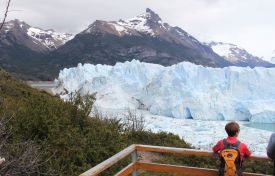
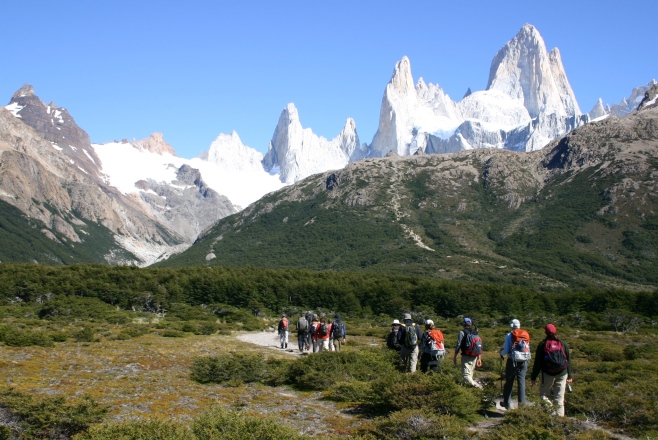
Further south, Patagonia beckons hiking aficionados from all over. Glaciers like Perito Moreno, as well as famous peaks such as Cerro Torre provide the backdrop to world-class adventure.
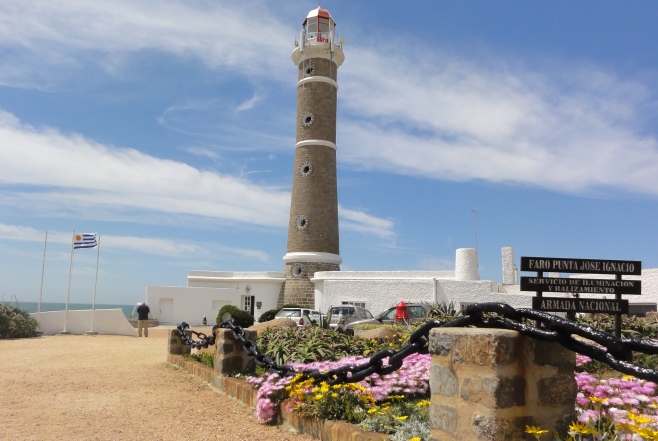
BUENOS AIRES & COASTAL URUGUAY This tasteful adventure flows smoothly from a slice of cosmopolitan life in Buenos Aires to a relaxed exploration of Uruguay’s historic and modern cities, wineries, countryside ranches and vineyards, plus beach time on the sunny Atlantic coast. Like olives and wine, Buenos Aires and Uruguay pair perfectly together.
Length: 9 Days/8 Nights Season: November – April Land Cost: from $6,100
HIKING THE PATAGONIAN ANDES
Southern Argentina and Chile share an immense expanse known as Patagonia. Sculpted by massive glaciers, these Andes were transformed into the peaks and spires that are among the most arresting mountain destinations on earth. In addition to epic scenery and the gaucho culture, the region hosts plentiful wildlife. Length: 12 Days/11 Nights Season: October – March Land Cost: from $7,500
DELUXE PATAGONIA
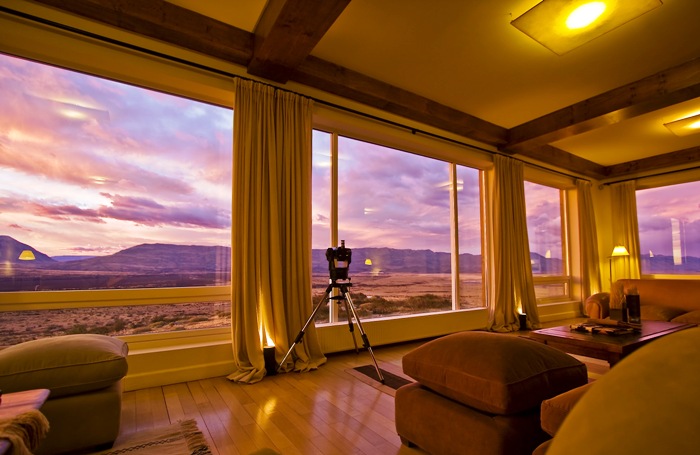
This rich itinerary is designed for walkers and nature enthusiasts who would like to experience the Argentine side of the Patagonian Andes in style and comfort, with active days and relaxing nights at chic lodges and hotels. Highlights include Mt. Fitz Roy and Perito Moreno Glacier. Length: 10 Days/9 Nights Season: October – March Land Cost: from $8,000
LAKE DISTRICT ODYSSEY
Chile and Argentina’s Lake District is one of the most arrestingly beautiful destinations in the world! Dazzling turquoise lakes are showcased in some of South America’s top national parks. On this first-class vacation, active days are complimented by comfortable nights. Length: 11 Days/10 Nights Season: October – April Land Cost: from $7,400
LLAO LLAO RESORT & SPA
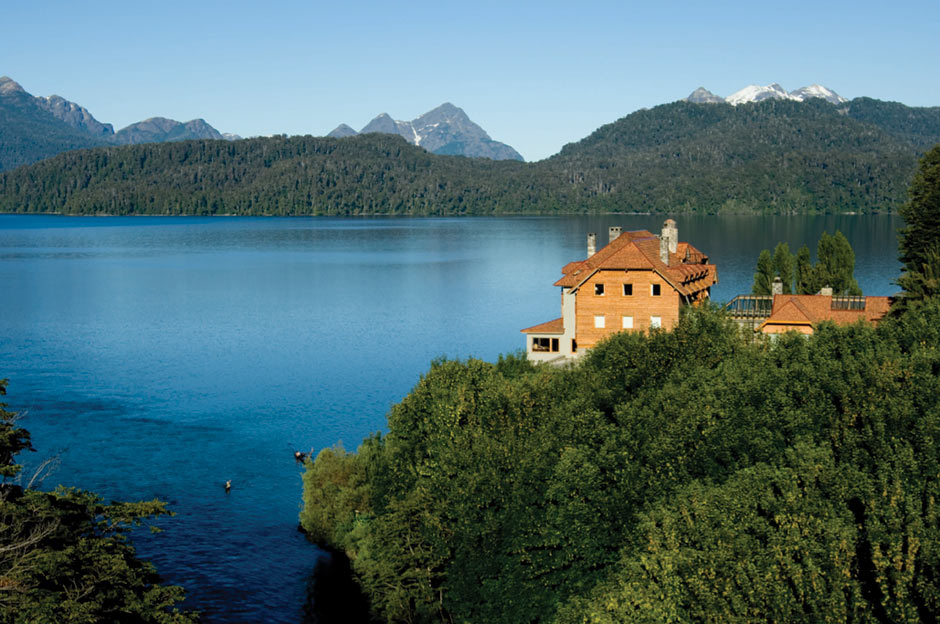
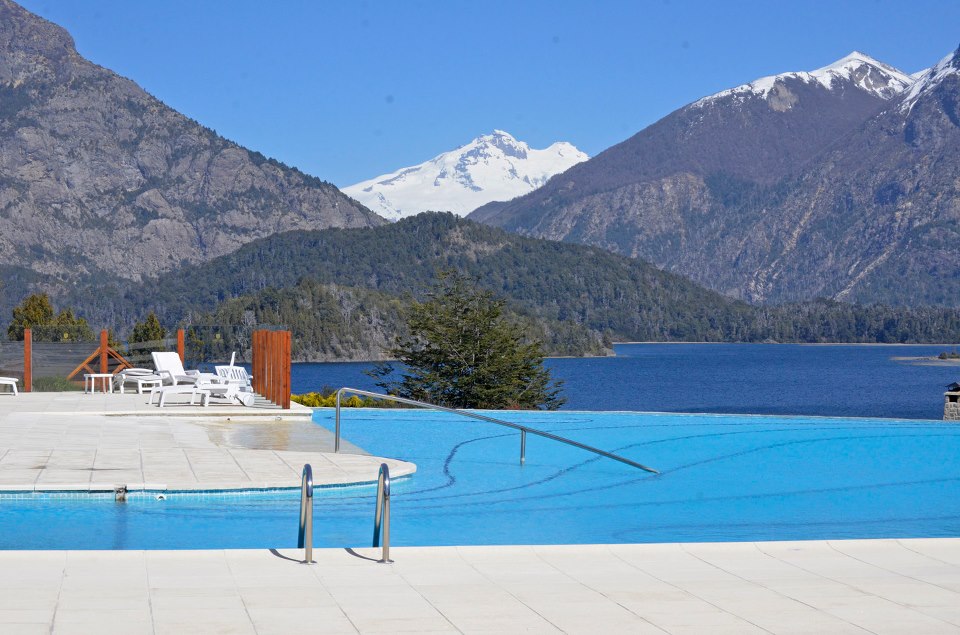
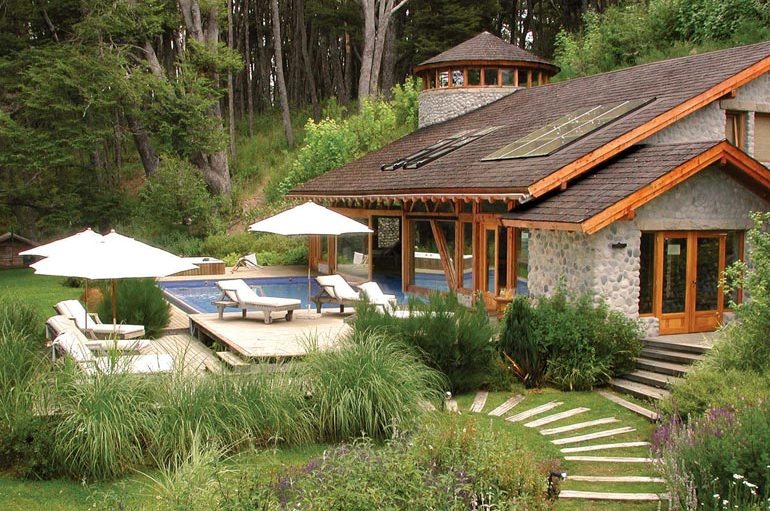
Visible cypress timber blends with regional green stones to make the Llao Llao Resort & Spa one of the most striking properties in South America. The resort’s combination of amenities, recreation and 5-star service has earned it the distinction as one of The Leading Hotels of the World.
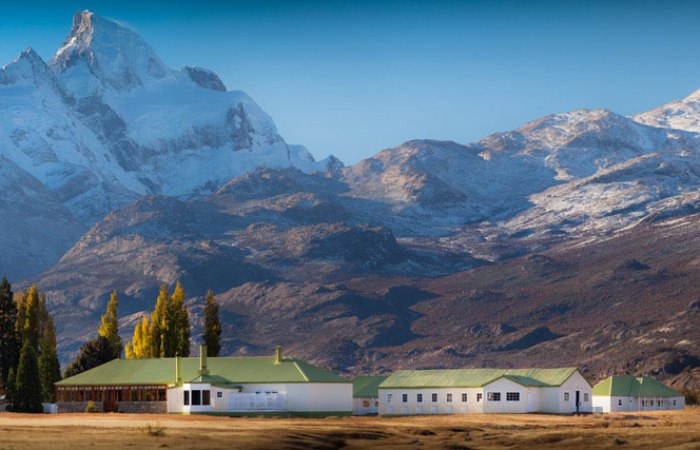
ESTANCIA CRISTINA Reachable only by a two-hour panoramic boat ride across Lake Argentino, Estancia Cristina enjoys a privileged location, with unique access to and views of Upsala Glacier. Its small size (five lodges with a total of 20 guest rooms) maintains the authenticity of the historical ranch, while giving an aura of exclusivity and privacy.
EOLO LODGE EOLO is a premier lodge in Patagonia, and the only one with Relais & Chateaux distinction. The lodge is located within an estancia of 10,000 acres between El Calafate, Argentina, and the Perito Moreno Glacier. With only 17 room, it offers the most exclusive accommodation of the area.
HOSTERIA LAS BALSAS Tucked into a bay on the shore of Lake Nahuel Huapi, Hostería Las Balsas is one of only two Relais & Chateaux properties in Patagonia Argentina, known for their dedication to French style living in country lodgings. The intimate property has only 15 rooms, each individually decorated and with beautiful views of the lake.
IGUAZU FALLS Length: 3 days/2 nights from Buenos Aires Season: Year-round
Iguazú Falls, one of the world’s most famed waterfalls, is located in a dense subtropical forest along the Brazilian border in northern Argentina. At 230 feet in height and a-mile-and-a-half-wide, the falls are higher and wider than Niagara!
MENDOZA WINE REGION Length: 4 Days/3 Nights from Buenos Aires Season: October – April
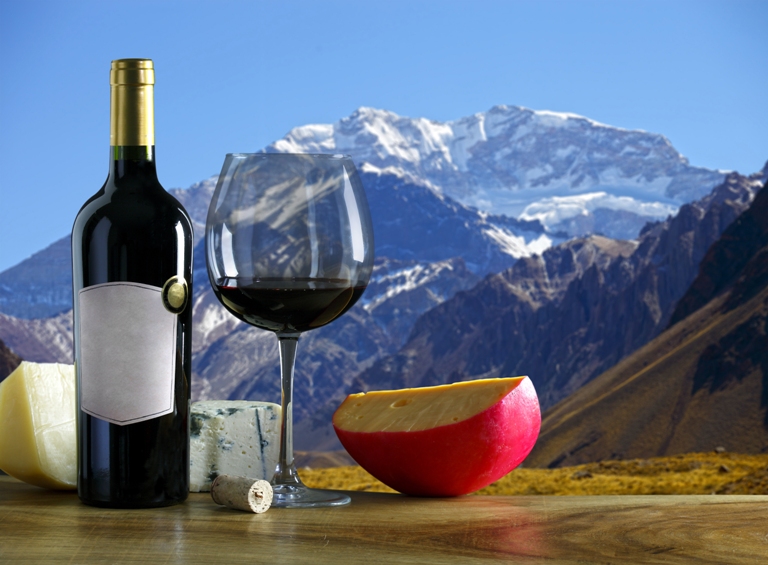
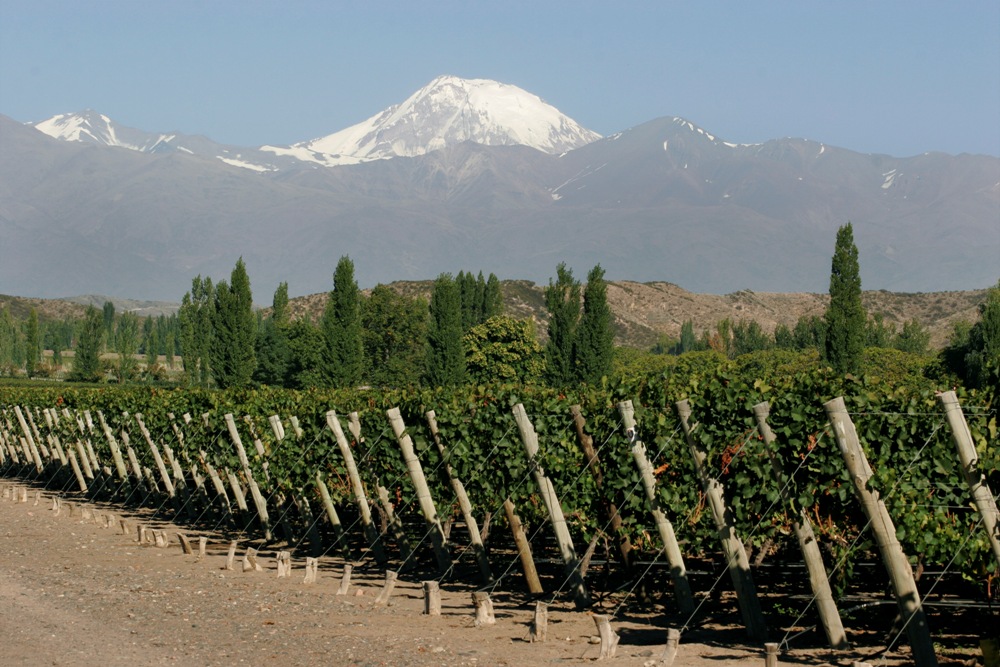
Refine your connoisseur palette in Mendoza, South America’s premiere wine region famous for its varieties of Malbec. During this 4-day cultural and gourmet experience, you’ll visit several top wineries while enjoying views of the majestic Andes.
SALTA AND CAYAFATE Length: 4 Days/3 Nights from Buenos Aires Season: April – November
The colonial city of Salta, called Salta la Linda or “Salta the beautiful”, is home to Argentina’s best-preserved colonial architecture. This is the place to enjoy nature, learn about the local Spanish and Gaucho culture, and taste delicious wines and traditional dishes.
TIERRA DEL FUEGO Length: 3 Days/2 Nights from Buenos Aires Season: October – March
The Land of Fire in Southern Argentina is a lovely, tranquil place of snow-capped mountains, forests and lakes located at the ends of the earth. Visit Tierra del Fuego National Park and cruise along the shores of the Beagle Channel.
AUSTRALIS CRUISES Length: 5 Days from Punta Arenas and Ushuaia Season: October – March
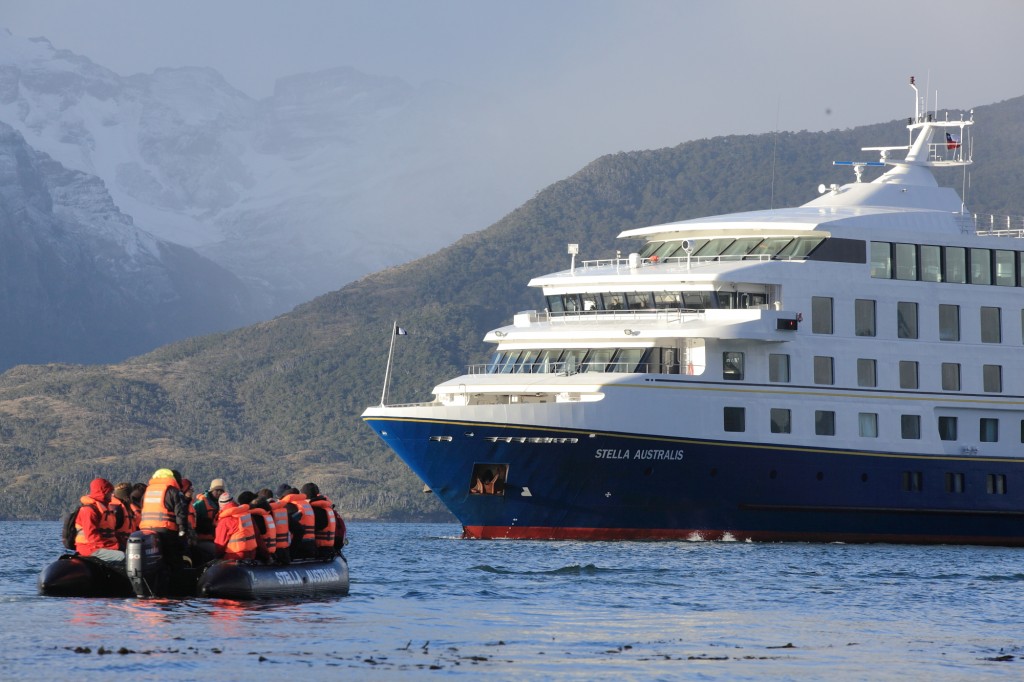
Discover the marvels of Patagonia by land and by sea aboard the 210-passenger Stella Australis and the sister vessel, the M/V Ventus Australis. Round-trip and one-way routes are available. Australis was selected as the best expedition cruise line in 2021 by World’s Cruise Awards.
Southwind specializes in tailor-made trips. These sample itineraries provide ideas for popular combinations. Each can be fully personalized to your travel style, goals, travel dates, preferred trip length and budget. Please call us to speak to a Travel Consultant to receive a custom trip proposal with pricing and next steps. Learn more on our Private Trips page.


 Season: October – March